Why Fresh Breath Fades by Lunch — and What Your Mouth's Good Bacteria Have to Do With It
Brushing and mouthwash make a mouth feel clean for a few hours. Researchers studying the oral microbiome think part of the story happens after that.
It is a familiar routine for a lot of people. Brush in the morning, maybe a swish of mouthwash, a mint before the first meeting. By late morning the coffee has caught up. By lunch, they are reaching for gum again.
Some notice it when a partner leans in to talk. Others notice it on video calls, or when they catch themselves covering their mouth to laugh. None of it is a big deal on its own. It is just the small, daily moment of wondering, "Is my breath okay right now?"
So why does that just-brushed feeling fade so quickly, even for people who never skip brushing?
Your mouth is home to hundreds of kinds of bacteria
The mouth has its own ecosystem, called the oral microbiome. Most of those bacteria are harmless, and many are helpful. A smaller group, especially the ones that settle on the back of the tongue, break down proteins from food and release sulfur compounds. Those compounds (scientists call them volatile sulfur compounds, or VSCs) are a major source of that not-so-fresh smell, according to a 2023 review in Frontiers in Oral Health.
That is where many everyday fixes fall short.
Why the usual fixes tend to fade
- Mints and gum cover odor with flavor. Pleasant, but the effect lasts about as long as the flavor does.
- Strong antiseptic rinses reduce bacteria broadly. A 2025 systematic review notes that conventional rinses like chlorhexidine offer temporary relief, which is one reason researchers are looking at approaches that support beneficial bacteria instead.
- Brushing and flossing are essential and nothing replaces them. But they happen twice a day, and the microbiome is active the other 23 hours.
That is why a growing number of oral-care products now pair classic fresh-breath ingredients with probiotics: they aim to support the good bacteria between brushings, not just mask odor.
What the research says about a few key ingredients
Here is what published studies have found. One important caveat: these studies tested individual ingredients in specific forms and amounts (gums, rinses, lozenges), not the product discussed below.
In a small placebo-controlled crossover study (25 adults) published in Acta Odontologica Scandinavica (2012), people who chewed gum containing two L. reuteri strains for 14 days had lower breath-odor scores from trained evaluators than when they used placebo gum. A 2025 systematic review found probiotics reduced sulfur-compound levels in five of six trials, while noting that long-term evidence is still limited.
Zinc binds sulfur compounds. In a placebo-controlled study of zinc-containing rinses, sulfur-compound levels and odor scores were significantly lower 12 hours after rinsing than with placebo.
In a study in the Journal of Agricultural and Food Chemistry (2007), gum with magnolia bark extract reduced salivary bacteria by 43% at 40 minutes, compared with 18% for placebo gum.
A study in the Journal of Nutritional Science and Vitaminology (2008) found green tea reduced sulfur compounds in mouth air immediately after use. The authors also reported that the effect was not seen 1 to 3 hours later, which is a good reminder that consistency matters more than any single dose.
One daily chewable that combines these ingredients
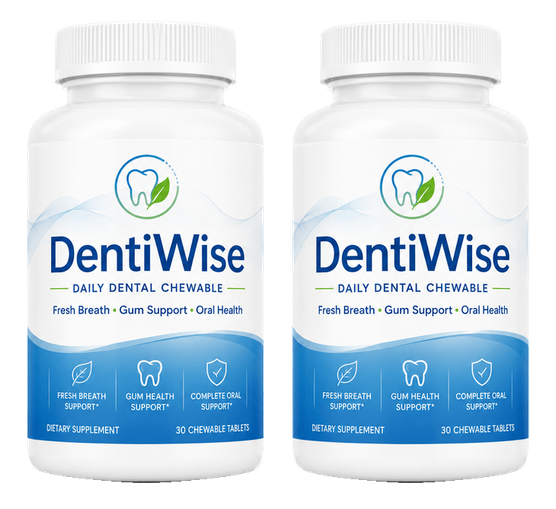
Dentiwise daily chewable
Dentiwise is a once-a-day chewable built around this "support the good bacteria" idea. According to the manufacturer, it is designed to support fresh breath, comfortable gums, and a balanced oral microbiome, and it is meant to complement brushing, flossing, and regular dental checkups, not replace them.
The routine is simple: one tablet each morning, left to melt under the tongue or chewed slowly. The company lists these ingredients:
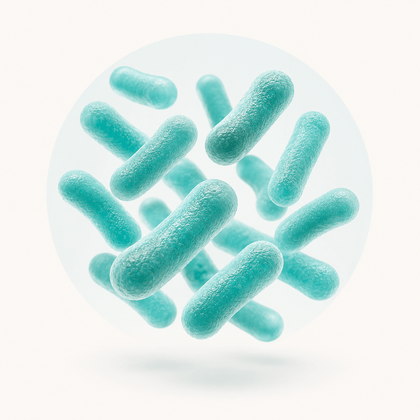 L. reuteriProbiotic
 Zinc CitrateMineral
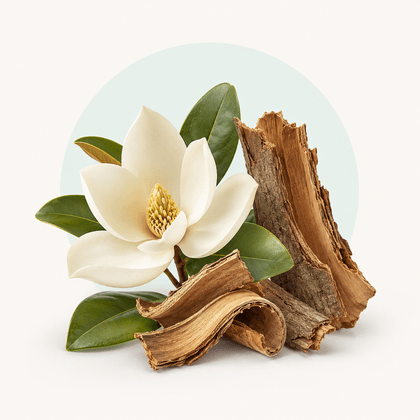 Magnolia BarkBotanical extract
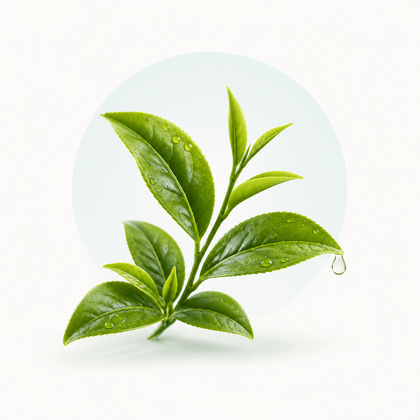 Green Tea PolyphenolsBotanical extract
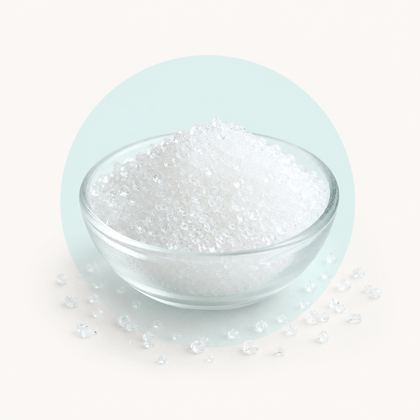 XylitolSugar alcohol
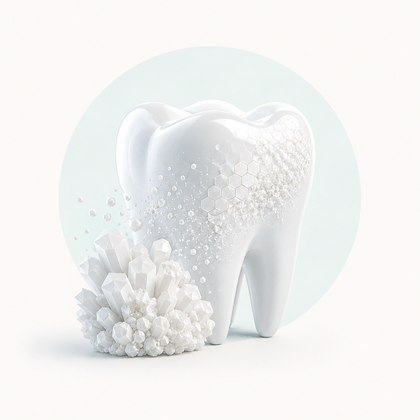 Nano-HydroxyapatiteMineral
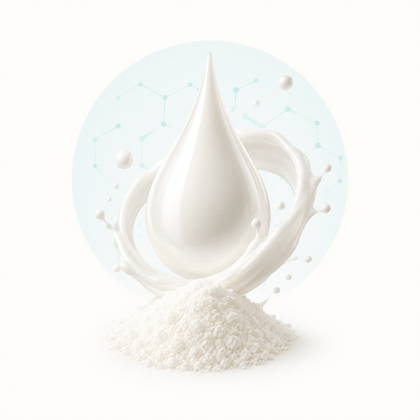 LactoferrinProtein
 Coenzyme Q10Nutrient
 Vitamin D3Vitamin
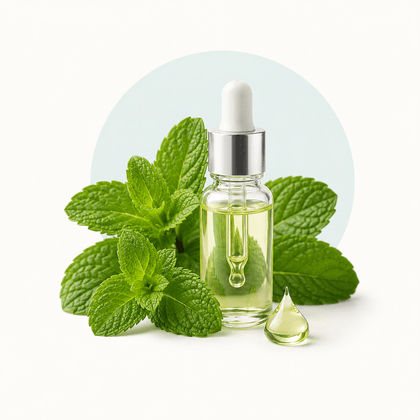 Peppermint OilFlavor & freshness
The manufacturer's page lists the ingredients but not the amount of each one. If dosing matters to you, check the Supplement Facts label on the official site before ordering.
See Dentiwise on the official site →Opens the manufacturer's page with current pricing and the full guarantee terms.
What a realistic first 60 days looks like
Supplements are not instant fixes, and anyone promising overnight results is overselling. Here is a fair way to think about the first two months:
- Week 1 — Build the habitOne chewable every morning, alongside normal brushing and flossing. The peppermint gives an immediate fresh feeling; anything beyond that takes time.
- Weeks 2–4 — Give it a fair testThe L. reuteri study above measured breath after 14 days of daily use. This is a sensible point to start paying attention to how mornings and afternoons feel.
- Weeks 4–8 — Judge on consistencyMicrobiome-focused routines are about daily use over time. By the end of two months, most people know whether a product fits their routine.
Individual results vary. If breath concerns are persistent, or come with gum bleeding, pain, or a dry mouth, see a dentist or doctor, since those can have causes no supplement addresses.
Pricing and guarantee (at time of writing)
Dentiwise is sold only through the manufacturer's website. These were the listed options when this article was written; check the official site for current pricing.
| Package | Per bottle | Total |
|---|---|---|
| 2 bottles | $79 | $158 + $9.99 shipping |
| 3 bottles | $69 | $207, free US shipping |
| 6 bottles | $49 | $294, free US shipping + 3 bonus e-guides |
One-time purchase, no autoship, per the manufacturer's FAQ. Every package is covered by a 60-day money-back guarantee. Read the refund terms on the official site before ordering.
Since the guarantee runs 60 days, the 3-bottle package lines up with the full two-month routine described above. The 6-bottle package has the lowest price per bottle for people who already know they want to keep going.
Two simple options
Keep the current routine
Brush, floss, mints as needed, and see a dentist regularly. That is a perfectly reasonable choice.
Add a daily good-bacteria step
Try one chewable each morning for 60 days, on top of your normal routine, with the money-back guarantee as a backstop.
You'll leave this page and go to the manufacturer's official site.
References
- Lee Y-H. "Oral microbiome as a co-mediator of halitosis and periodontitis: a narrative review." Frontiers in Oral Health, 2023. pmc.ncbi.nlm.nih.gov/articles/PMC10500072
- Passadakis G, et al. "Effectiveness of Probiotics in Managing Oral Halitosis: A Systematic Review of Randomized Controlled Trials." Journal of International Society of Preventive and Community Dentistry, 2025. pmc.ncbi.nlm.nih.gov/articles/PMC12425399
- Keller MK, et al. "Effect of chewing gums containing the probiotic bacterium Lactobacillus reuteri on oral malodour." Acta Odontologica Scandinavica, 2012. pubmed.ncbi.nlm.nih.gov/22182258
- Erovic Ademovski S, et al. "The effect of different mouth rinse products on intra-oral halitosis." International Journal of Dental Hygiene, 2016. pubmed.ncbi.nlm.nih.gov/26031397
- Greenberg M, et al. "Compressed Mints and Chewing Gum Containing Magnolia Bark Extract Are Effective against Bacteria Responsible for Oral Malodor." Journal of Agricultural and Food Chemistry, 2007. pubs.acs.org/doi/10.1021/jf072122h
- Lodhia P, et al. "Effect of Green Tea on Volatile Sulfur Compounds in Mouth Air." Journal of Nutritional Science and Vitaminology, 2008. jstage.jst.go.jp/article/jnsv/54/1/54_1_89